
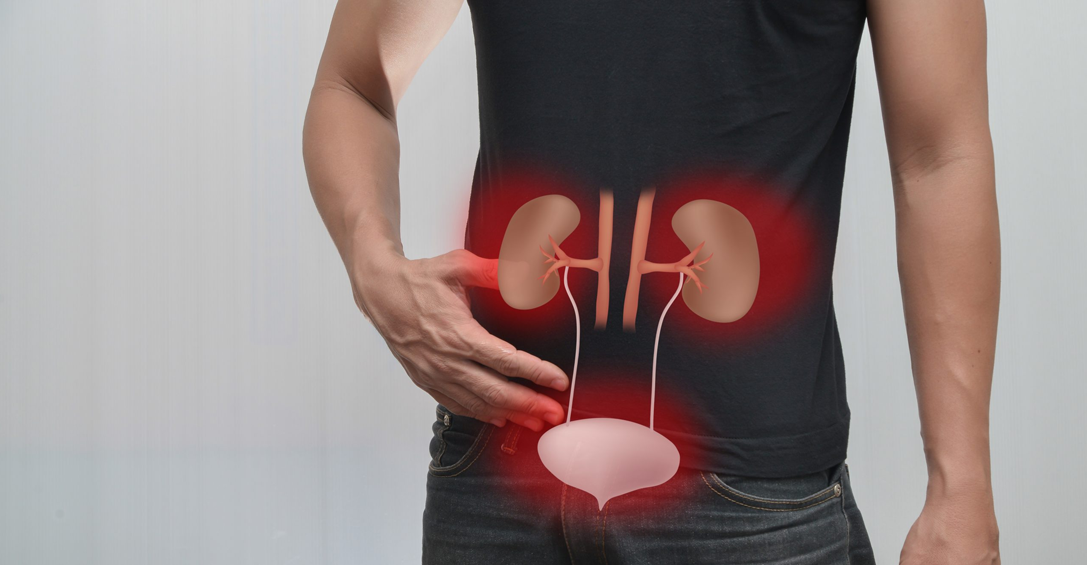
Understanding Renal Stones
Renal stones, commonly known as kidney stones, are crystalline structures that form in the kidneys. This blog explores the causes, symptoms, and preventive measures associated with renal stones.
1. What are Renal Stones?
Renal stones are hard deposits made of minerals and salts that accumulate in the kidneys. They can vary in size, from a grain of sand to larger, golf ball-sized formations.
Types
Renal stones, or kidney stones, can vary in composition, and understanding the different types is crucial for effective management. Here are the main types of renal stones:
- 1. Calcium Oxalate Stones:
- Formed when calcium combines with oxalate in the urine.
- Maintain a diet low in oxalate-rich foods, increase fluid intake.
- 2. Calcium Phosphate Stones:
- Result from the combination of calcium and phosphate in the urine.
- Adequate fluid intake, dietary modifications, and medications in some cases.
- 3. Uric Acid Stones:
- Develop when there's an excess of uric acid in the urine.
- Hydration, dietary changes to reduce purine-rich foods, medications.
- 4. Struvite Stones:
- Associated with urinary tract infections and composed of magnesium, ammonium, and phosphate.
- Treating underlying infections, maintaining urinary tract health.
- 5. Cystine Stones:
- Rare and genetic; formed when the amino acid cystine leaks into the urine.
- Increased fluid intake and medications to reduce cystine levels.
2. Causes of Renal Stones:
- Dehydration: Insufficient water intake can lead to concentrated urine, promoting stone formation.
- Dietary Factors: High intake of oxalate-rich foods (spinach, nuts) or excessive consumption of salt and animal proteins can contribute.
- Genetic Predisposition: A family history of kidney stones may increase the risk.
- Medical Conditions: Certain conditions, like hyperparathyroidism or urinary tract infections, can facilitate stone formation.
3. Symptoms:
- Pain: Severe pain in the back or side often radiating to the lower abdomen or groin.
- Hematuria: Blood in the urine, causing it to appear pink or red.
- Frequent Urination: Urgency and increased frequency of urination may occur.
- Nausea and Vomiting: Some individuals may experience nausea and vomiting.
4. Diagnosis and Treatment:
- Imaging Tests: X-rays, CT scans, or ultrasounds can detect the presence and location of renal stones.
- Pain Management: Analgesics help alleviate pain during the passage of stones.
- Fluid Intake: Increasing water consumption aids in flushing out stones.
- Medical Expulsion Therapy: Medications may be prescribed to relax muscles and facilitate stone passage.
- Lithotripsy: Shock wave therapy to break down larger stones into smaller fragments.
5. Prevention Strategies:
- Hydration: Adequate water intake to maintain diluted urine and prevent crystallisation.
- Dietary Modifications: Limiting oxalate-rich foods and moderating salt and protein intake.
- Calcium Intake: Consuming an appropriate amount of dietary calcium can inhibit stone formation.
- Regular Exercise: Physical activity promotes overall health and may reduce the risk of stones.
6. When to Seek Medical Attention:
- Persistent and severe pain.
- Signs of infection, such as fever and chills.
- Inability to pass urine.
Conclusion:
Renal stones can be a painful and disruptive condition, but understanding their causes, recognizing symptoms, and adopting preventive measures can significantly reduce the risk and impact of kidney stones. If you suspect renal stones, consult a healthcare professional for personalised guidance and treatment.